Jun. 14, 2024

5 minutes read
Share this article
Systems Scaling is essential for businesses and developers who aim to maintain system performance and handle growing demands. Whether managing and supporting applications, databases, or servers, understanding the differences between vertical vs. horizontal scaling can help in choosing the right strategy to ensure seamless operations and a better user experience.
This guide explores the fundamentals of Vertical Scaling and Horizontal Scaling, highlighting their differences, benefits, and use cases. By understanding these strategies, you can make informed decisions about your infrastructure and prepare your systems for future growth.
At its core, scaling is about increasing a system’s capacity to handle more traffic, process more data, or support additional users. Whether you’re managing servers, databases, or applications, scaling ensures optimal performance under increased workloads. The two primary methods to achieve this are:
Understanding these types and their trade-offs is key to making the right choice for your infrastructure.
Vertical Scaling, also known as scaling up, involves increasing the capacity of a single server or system. This can be achieved by upgrading the hardware components, such as:
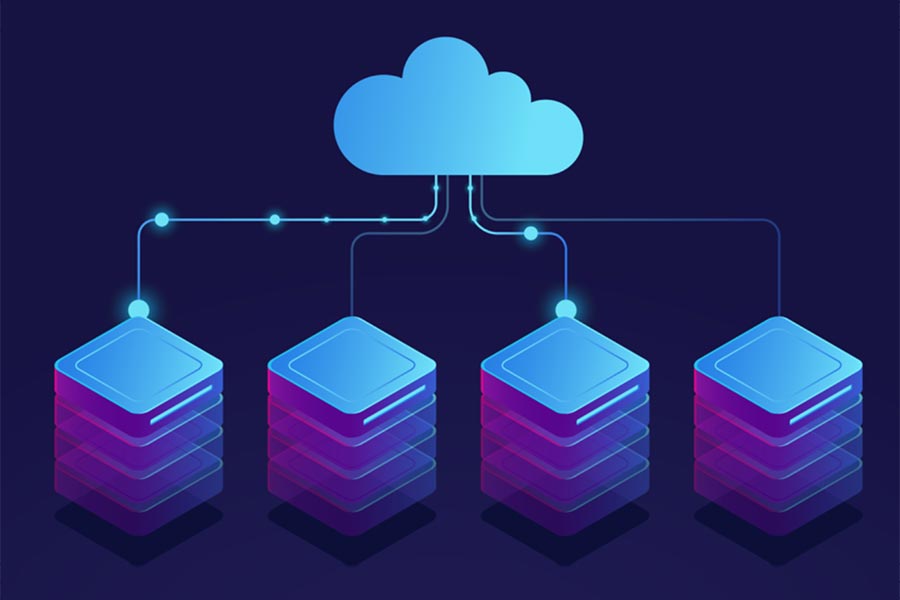
Horizontal Scaling, or scaling out, involves adding more servers or systems to distribute the workload. These systems work together as a single unit, often managed through load balancers and distributed systems.
| Feature | Vertical Scaling | Horizontal Scaling |
| Approach | Increase the power of a single server | Add more servers to the network |
| Implementation Time | Faster | Slower |
| Cost | High hardware costs | Incremental server costs |
| Fault Tolerance | Low | High |
| Scability Limit | Limited | Virtually unlimited |
| Complexity | Simple | Complex |
Many modern architectures use a hybrid approach, leveraging vertical and horizontal scaling. For example:
No matter the approach, scaling provides numerous benefits for businesses and developers:
Understanding the differences between Vertical and Horizontal Scaling is vital for managing system performance and supporting growth.
By analyzing your application requirements, business goals, and budget, you can implement the best scaling strategy for your infrastructure. With careful planning and execution, scaling ensures your systems remain robust, efficient, and ready to meet future demands.
Accelerate your software development with our on-demand nearshore engineering teams.